 0
0
 0
0
Are you finding it tough to choose a saree colour that will complement your Indian skin tone and make your complexion look radiant at festivals or weddings? Almost every woman has experienced it, so you are not alone. Holding a maroon saree in one hand and an emerald green saree in the other, you stand in front of your closet and wonder if the colour will make you shine or wash you out.
What is the key to selecting the ideal colour, then? It goes beyond simply following trends. What works for you is what matters.
Warm (golden/yellow), cool (pink/blue), or neutral undertones can be found in each of the four categories of Indian skin tones: fair, wheatish, dusky, and dark. The majority of Indian ladies actually have warm undertones.
In this guide, I’ll help you determine which saree colours for Indian skin tones are best for you. The colour scheme ranges from rich crimson to delicate ivory. To feel secure and look your best each time you drape a saree, simply choose the appropriate hue.
To be honest, it’s much simpler to get ready once you realize this. For weddings, festivals, or any other special occasion where you want to look your best, the right colour may brighten your face, accentuate your features, and even give you more confidence.
How to Identify Your Indian Skin Tone and Undertone
Let’s first determine your skin tone before moving on to colours. Don’t worry. In actuality, it’s quite easy.There are four primary categories of Indian skin:
- Light or fair: pale to light beige
- Wheatish or medium: A golden tan that resembles the colour of fresh roti
- Dusky :Rich olive-brown
- Dark: Rich, lovely shades of ebony
Your undertone is the crucial component that follows. This is what actually determines which colours work best for you.
Here’s a fast method to verify:
- Look at your veins: green indicates warm undertones, blue or purple indicates cold ones, and if it’s difficult to determine, you are probably neutral.
- Try wearing jewelry: if you look better in gold, you are warm; if you look better in silver, you are cool.
One more simple trick? Observe how sunlight affects your skin. You are probably warm-toned if you get tanned quickly. You might be cool-toned if you burn quickly. Knowing this makes selecting saree colours much simpler.
Top Saree Colours That Flatter Every Indian Skin Tone
The exciting part is about to begin: selecting colours. If you have ever thought a colour looks fantastic on someone else but not on you, this is the reason. The secret is to choose tints that complement your undertone and give your complexion a natural glow.
The following is a breakdown of the top saree colours for Indian skin tones:
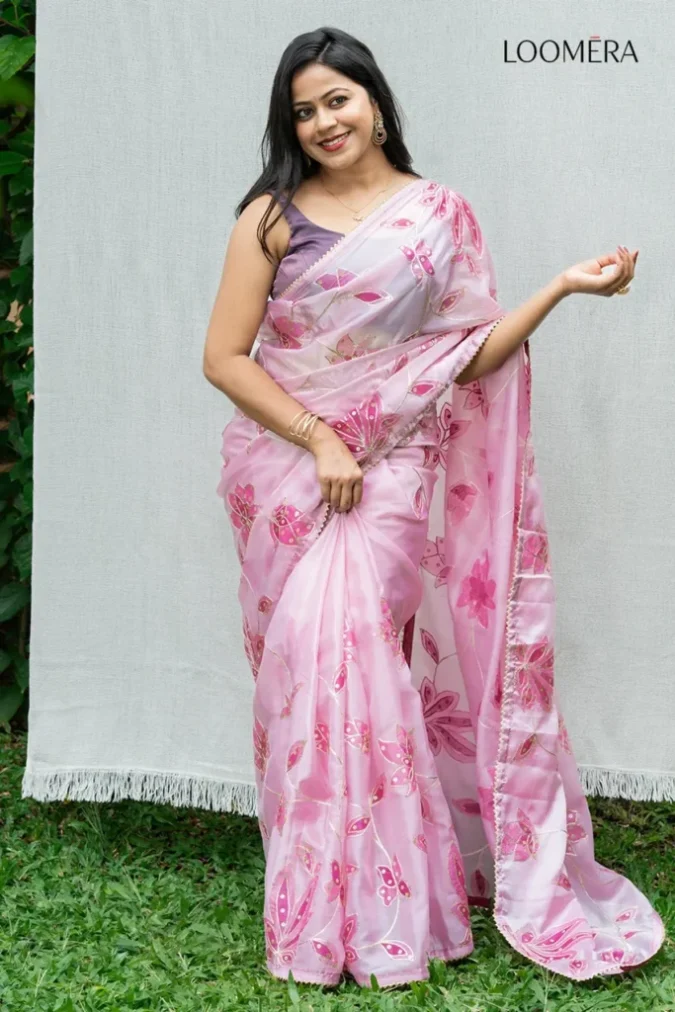
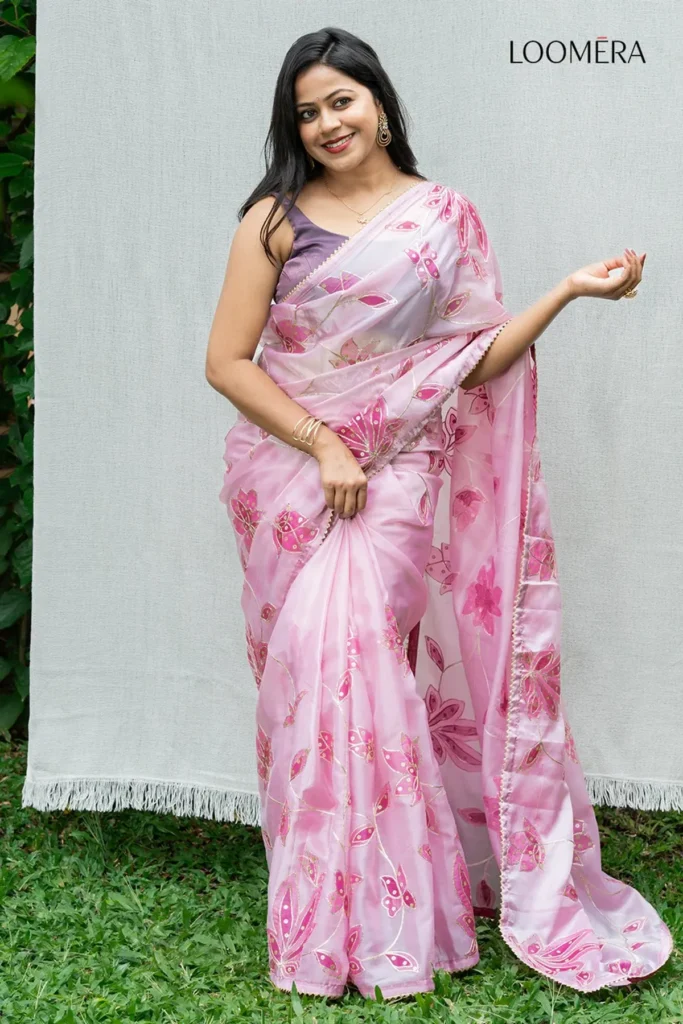
1. Fair / Light Skin (Cool Undertones)
Jewel tones are ideal if you have a fair complexion with cool undertones. Hues such as delicate pink, emerald green, and royal blue. These hues create contrast and enhance the vibrancy of your skin. Avoid using really light pastels because they can occasionally make your complexion appear lifeless. A pearl blouse paired with a royal blue silk saree looks gorgeous at weddings. Additionally, materials like satin or silk will accentuate these hues.
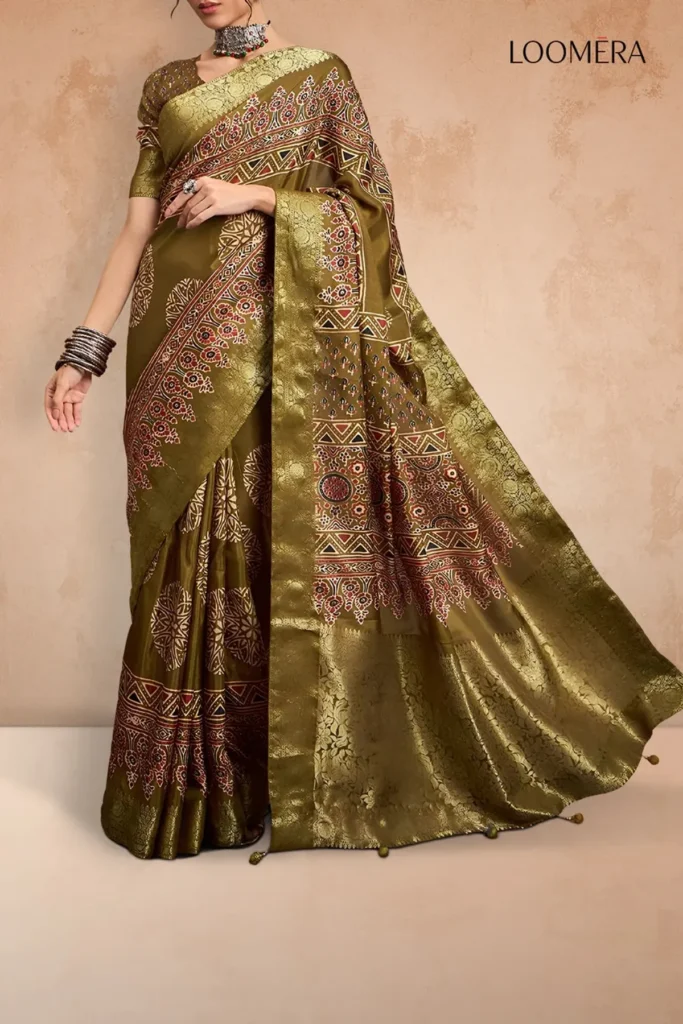
2. Wheatish / Medium Skin (Warm Undertones)
You are really fortunate if you have a wheatish complexion because most colours will look good on you. However, earthy hues are very lovely. Your inherent golden glow is enhanced by hues like olive green, terracotta, and mustard yellow. Choose festive sarees with gold zari work for cultural events as they can instantly make you look better. For a rich, classic look, you may also use these tints with rusty jewelry or antique gold.
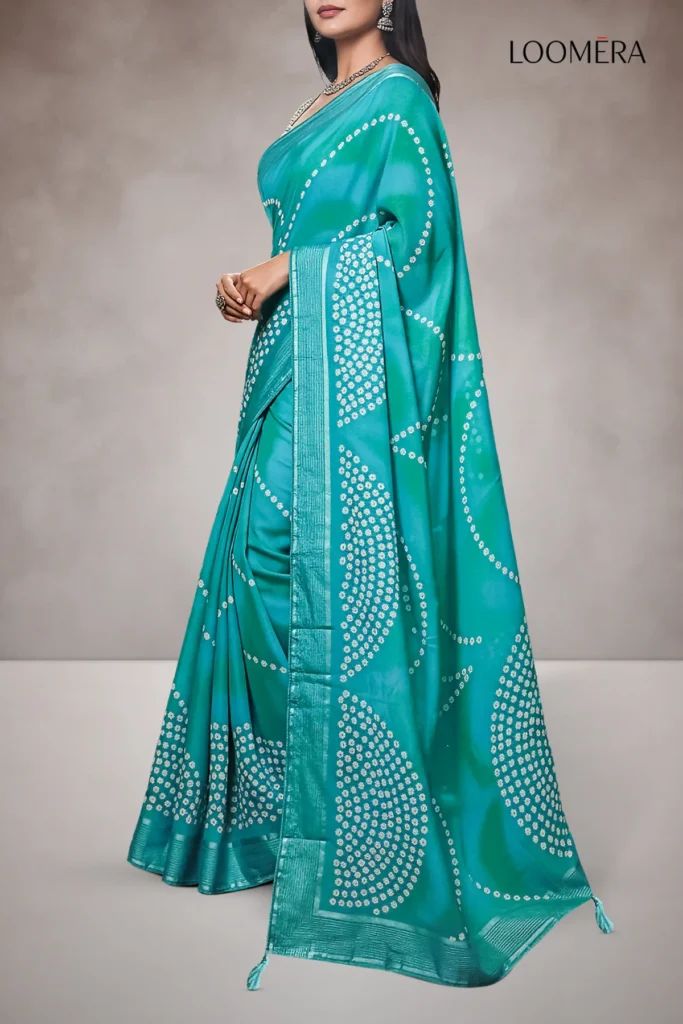
3. Dusky Skin
The appropriate colours may accentuate the gorgeous natural glow of dusky skin. Here, rich colours like teal, burnt orange, and maroon are ideal. They produce a very sophisticated, striking appearance and give depth. These hues are particularly perfect for sangeet nights and weddings. Try sarees like Banarasi or Kanjeevaram silk if you want to step it up; the texture gives your appearance even more depth.
4. Dark Skin
Now, don’t be hesitant to use bright colours if your skin tone is darker because this is when you can truly shine. Golden yellow, purple, and bright red make a magnificent contrast. Choose vivid hues instead of muted ones since they can occasionally be overlooked. A vivid red silk saree is usually a popular option, particularly for weddings. For a more contemporary style, you can also experiment with metallic elements or dual-tone sarees. These hues are ideal for weddings, festivals, and other special events because they are all part of the traditional Indian saree palette.
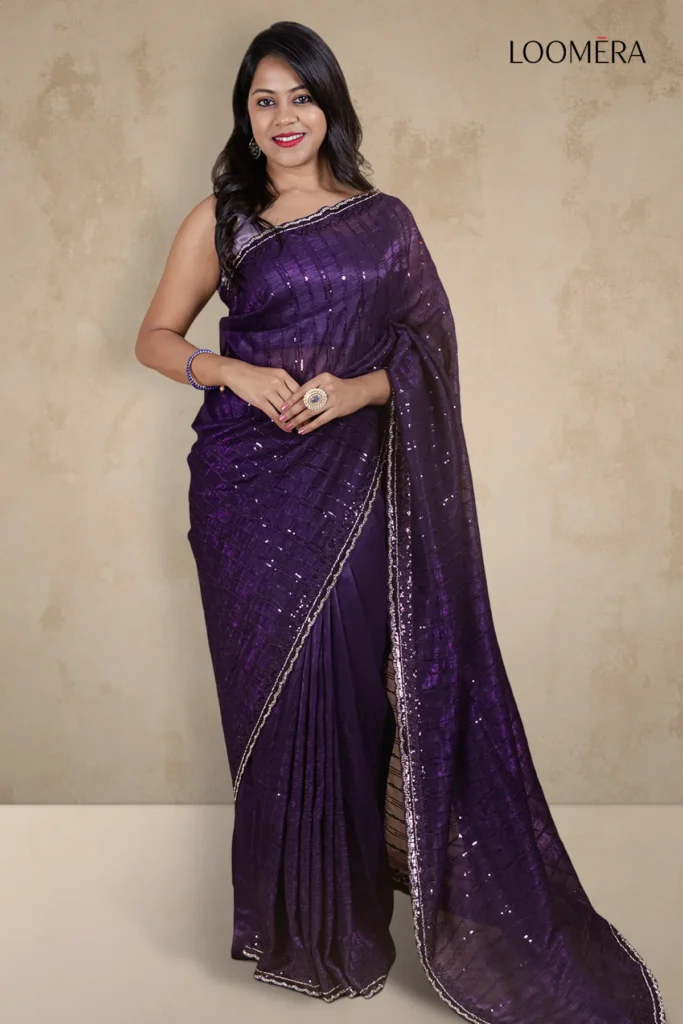
Versatile Saree Shades for All Indian Skin Tones
Are you still unsure about what to choose? Completely fine. Sometimes it’s simpler to stick to colours that work every time.
Almost everyone looks excellent in colours like ivory, navy blue, and forest green. With them, you simply can’t go wrong.
Try deep red or charcoal grey if you want a refined look, as these can instantly create an air of elegance.
Here’s a quick tip for styling:
- Warm undertones: Use gold jewelry.
- Cool undertones: Use silver jewelry
When you want to seem fashionable without exerting too much effort, these colours are ideal for business attire, informal get-togethers, or small celebratory occasions.
Wrap-Up: Your Glow Awaits
Ultimately, the choice of saree colour is crucial. You can have a pale, wheatish, dusky, or dark complexion, but there is always a hue that will make you feel and look fantastic. Additionally, selecting colours becomes a lot simpler once you are aware of your undertone. You no longer have to doubt yourself.
Don’t be scared to try new things either. Sometimes the colour you don’t believe will work for you ends up being your absolute favorite. Tell me, then. Which colour saree is your favorite? Post it in the comments.
FAQ
What saree colour suits wheatish skin?
Terracotta or mustard yellow complements your natural golden tone the best.
Which is the best bridal saree colour for dusky Indian skin?
Maroon or burnt orange, which elegantly accentuates your inherent radiance.
Are pastels good for dark skin?
Not all the time. Generally speaking, brighter hues like red, purple, or yellow seem better.
https://styleoflady.com


